
Moving house sounds exciting at first until the packing begins. One cupboard turns into ten. Drawers are suddenly full of forgotten cables, old paperwork, broken kitchen appliances, unused clothes, and furniture that no longer fits your next home.
Whether you are renting a flat in E4 or buying a family property in Chingford, moving often reveals just how much unnecessary stuff builds up over the years.
The good news is that reducing waste before moving day can make the whole process easier, cheaper, and far less stressful. You do not need to become overly minimal or throw away everything you own. The goal is simply to move smarter and avoid carrying clutter into your next chapter.
Why Does Moving House Create So Much Waste?
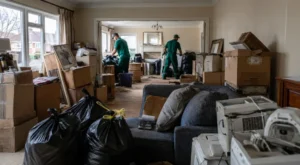
Most people are too busy during a move to carefully sort through every item they own. That is why many households end up stuffing random belongings into boxes just to deal with them later. Unfortunately, “later” usually means the clutter follows you into the new property.
Moving waste often comes from things people stopped noticing long ago:
- Spare furniture pushed into garages
- Clothes that no longer fit
- Old toys and baby equipment
- Half-used DIY materials
- Broken electronics
- Kitchen gadgets sitting untouched for years
- Loft storage nobody has opened in ages
Packing all of this costs time, effort, and sometimes even additional removal charges. The more you move, the more complicated moving day becomes.
That is why downsizing before the move matters so much. It is not only about clearing rubbish. It is about creating a smoother transition into your new home.
How Early Should You Start Decluttering Before Moving?
One of the best things you can do is start earlier than you think necessary. Many people in Chingford wait until the final week before their move to sort belongings. That usually leads to rushed decisions, overflowing bins, and unnecessary stress. Instead, give yourself at least four weeks to go through your home properly.
Start with the easiest spaces first. Spare rooms, lofts, sheds, and cupboards often contain the highest amount of unused items.
A simple approach works best:
| Area | What Usually Builds Up |
| Loft | Old decorations, boxes, unused storage |
| Garage | Tools, paint tins, broken furniture |
| Kitchen | Duplicate appliances, unused cookware |
| Bedroom | Unworn clothes and shoes |
| Garden | Damaged pots, wood, unused equipment |
Rather than trying to clear the entire house in one day, focus on one area at a time. Small progress feels manageable and helps avoid burnout. Many people are surprised by how much lighter the move feels once they reduce the number of things they actually need to pack.
How Can You Decide What Is Worth Keeping?

This is often the hardest part of moving house. People become emotionally attached to items they never actually use.
Instead of asking, “Could this be useful someday?”, ask yourself more practical questions:
- Have I used this in the last 12 months?
- Does this suit the new property?
- Would I spend money moving this item?
- Would I buy this again today?
- Is this adding value to daily life?
Being realistic helps separate genuinely useful belongings from clutter that simply takes up space.
This is especially important for people downsizing into smaller flats or modern homes with less storage space. Furniture that worked in one property may not work in another.
A useful tip is to create three clear categories while sorting:
| Keep | Donate or Sell | Dispose |
| Daily essentials | Good condition items | Broken or unusable items |
| Sentimental valuables | Furniture and clothing | Damaged waste |
| Important documents | Electronics still working | General rubbish |
This system keeps decisions simple and prevents endless back-and-forth thinking.
What Should You Do With Furniture You No Longer Need?
Furniture is one of the biggest moving headaches. Large wardrobes, worn sofas, old desks, and spare beds take up huge amounts of space during removals. If something is still in decent condition, try to rehome it before moving day arrives.
Many people in E4 now use local community groups, charity collections, or resale apps to pass furniture on quickly. Sometimes people are happy to collect directly from your property, which saves additional effort.
This works particularly well for:
- Dining tables
- Shelving units
- Office desks
- Bed frames
- Wardrobes
- Children’s furniture
Selling or donating items early creates more room for packing and reduces moving costs. If furniture is damaged beyond reuse, leaving disposal until the last minute often creates unnecessary panic. Bulky waste can quickly pile up near moving day when deadlines become tight.
How Can You Reduce Waste While Packing?
Packing itself creates a surprising amount of rubbish. People often buy too many cardboard boxes, excessive plastic wrapping, and unnecessary packing materials. Then most of it gets thrown away immediately after the move.
Instead, try reusing materials you already have around the house. Suitcases, laundry baskets, storage containers, and reusable bags can all replace traditional boxes for many items. Towels, bedding, and clothing also work well as protective wrapping for fragile belongings.
You can also reduce waste by avoiding overpacking random items you no longer need. Many households accidentally pack clutter simply because they run out of time to make proper decisions. A slower and more intentional packing process usually creates far less waste overall.
What Household Items Are Commonly Forgotten Until the Last Minute?
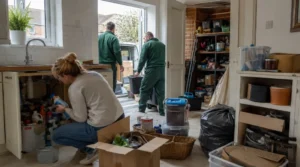
Almost every move includes a final rush where people suddenly discover hidden waste they forgot about earlier.
This usually includes things like:
| Common Last-Minute Waste | Where It Appears |
| Cleaning products | Under sinks |
| Old food | Freezers and cupboards |
| Garden debris | Sheds and outdoor spaces |
| Paint and DIY materials | Garages |
| Electrical clutter | Drawers and storage boxes |
These items are difficult to transport and often cannot simply be placed into standard household bins. That is why many homeowners and tenants leave final clearance jobs until the very end.
Unfortunately, this is also the point when energy levels are already exhausted from the move itself. Planning for this stage early helps avoid unnecessary pressure.
Why Is Final Property Cleanup So Important?
Whether you are renting or selling, leaving a property properly cleared matters more than many people realise. For tenants, leftover rubbish can easily affect deposit returns. Landlords often charge additional clearance or cleaning fees if waste is left behind after moving out.
For homeowners, a clean and empty property creates a better handover for buyers and avoids delays close to completion day.
The final cleanup often includes:
- Removing bulky waste
- Clearing garden rubbish
- Taking away broken furniture
- Collecting leftover bags
- Disposing of unwanted appliances
- Clearing garages and sheds
Many people underestimate how much remains once the main furniture has been removed. Empty rooms suddenly reveal hidden clutter that was previously ignored. That final stage is often the most physically demanding part of moving.
How Can Moving With Less Clutter Improve Your New Home?

One of the biggest benefits of reducing waste before moving is the feeling you get when entering your new property. Instead of arriving surrounded by boxes full of unnecessary items, you start fresh with things you actually use and value.
People often say their new home feels calmer, cleaner, and more organised when they declutter beforehand.
You also avoid:
- Paying for unnecessary storage
- Filling spare rooms with junk
- Creating instant mess after unpacking
- Losing important belongings among clutter
- Feeling overwhelmed in the first few weeks
Moving house already represents a major life transition. Reducing excess belongings can make that transition feel much more manageable emotionally as well as physically.
What Happens If You Run Out of Time Before Moving Day?
Honestly, this happens to a lot of people. Even with the best intentions, moving schedules can become chaotic. Completion dates change, packing takes longer than expected, and unexpected rubbish appears at the last minute.
That is usually when professional help becomes valuable. Instead of spending the final evening before your move struggling with heavy furniture, overflowing waste bags, or garage clearances, it often makes more sense to let experienced clearance professionals handle the final stage properly.
If you are moving home in Chingford and suddenly realise there is still too much waste left behind, our Waste Removal Chingford team will handle it naturally and efficiently so you can focus on settling into your new home instead of worrying about the cleanup.